

 Image 1 of 4
 Image 2 of 4
 Image 3 of 4
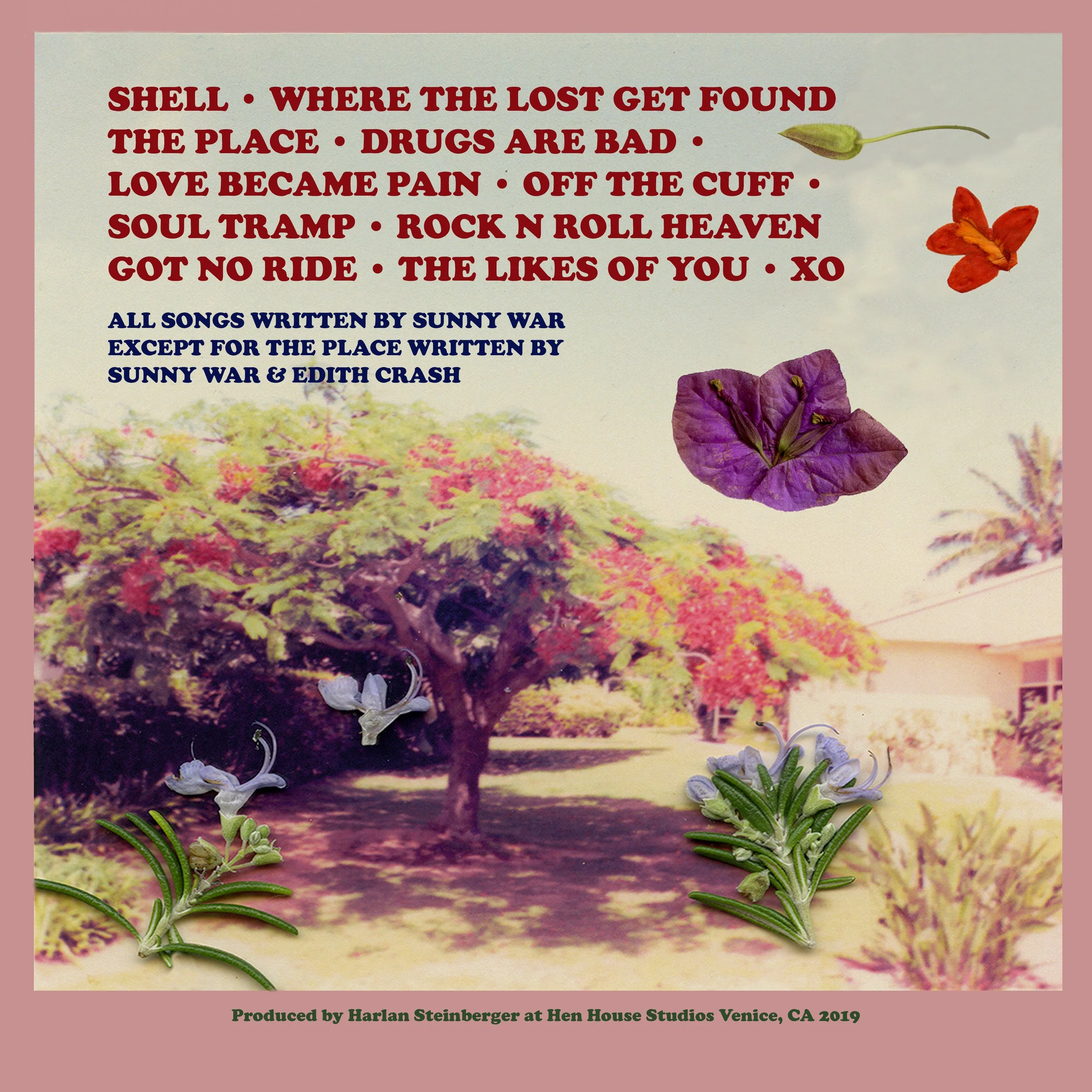 Image 4 of 4
With the Sun, Sunny War’s new album finds her a little bit older, a little bit more mature, but looking back on the rocky roads of her past with a surprising amount of nostalgia. Shell of a Girl, was written in a burst of creativity in Los Angeles, and marks a new transition period, with Sunny moving from the Venice Beach boardwalk, where she first made her name, to the streets of downtown Los Angeles. Holed up in a studio apartment in an old halfway house that’s rumored to be haunted, Sunny muses “I think I’ve heard ghosts, but I’ve always heard ghosts everywhere.” These ghosts are reflected in the songs on the new album, either through the ghosts of friends who’ve passed away, from overdose or accident, or in the ghosts of who she used to be. “I feel like I’ve tricked myself into trying to be a part of the system that I swore I’d never participate in,” she says. “Now I’m worried about moving from a studio to a one-bedroom. It bums me out when the thing I’m happy about is paying the light bill. I’m never happy about something that’s real anymore.”
Growing up in Los Angeles’ punk scene, Sunny was hopping trains from a tender age, riding free on the rails and living homeless on the streets. Her music has always been raw, and she refuses to shy away from a brutally open honesty about the rougher parts of her life, but now that she’s gotten a modicum of comfort and routine, she finds herself looking back to what she remembers as the happiest time in her life. Far from her early days playing house shows with members of FIDLAR, and racing through punk sets with her band Anus Kings, Sunny insists she’s never lost touch with her punk roots, in fact she feels more punk than ever; “I’ve graduated to just hating everybody,” she says with a laugh.